Why Every UK Business Needs a Website
In today’s digital-first economy, having a professional online presence is no longer a luxury — it’s a necessity. Whether you’re a small local business in Manchester, a freelancer in London, or a growing eCommerce brand in Birmingham, your website serves as your storefront to the world.
Yet for many small and medium-sized enterprises (SMEs), the process of building a website can seem daunting. Hiring developers, managing code, and maintaining hosting are costly and time-consuming.
That’s where a modern Website Builder comes in — an all-in-one tool designed to simplify web creation. A Website Builder allows you to create a fully functional, professional website without needing advanced technical skills or a large budget.
What Is a Website Builder?
A Website Builder is a platform or tool that allows users to design, build, and publish websites quickly and efficiently — usually without writing a single line of code.
Instead of manually coding with HTML, CSS, or JavaScript, these builders use drag-and-drop editors, templates, and visual interfaces to make website creation accessible to everyone.
There are two main types of Website Builders:
- Online (Cloud-Based) Website Builders:
- Hosted by a third-party provider.
- Accessible through your browser.
- Includes hosting, templates, and customer support.
- Example: Trodomains’ Website Builder provides everything in one place.
- Offline (Software-Based) Builders:
- Installed on your computer.
- You design offline, then upload files to a hosting server manually.
For most small businesses in the UK, online builders are preferred for their convenience and simplicity.
Why Website Builders Are Popular in the UK
Over the past decade, Website Builders have transformed from basic page editors into powerful, full-featured platforms. UK businesses — particularly SMEs and start-ups — are embracing them at an unprecedented rate.
According to industry research, over 40% of UK small businesses now use a Website Builder rather than hiring developers. The reasons are clear:
- Speed: You can launch a professional site in hours, not weeks.
- Cost-efficiency: Builders cost a fraction of a custom-coded website.
- Ease of use: Simple interfaces mean no technical experience is needed.
- Flexibility: Dozens of templates and widgets to customise your brand presence.
- Built-in hosting: No need to find and manage a separate hosting provider.
- SEO tools included: Many builders help optimise your site for Google UK search results.
For example, a local florist in Bristol or a café in Glasgow can use a Website Builder to set up a mobile-friendly, SEO-ready website and start attracting customers the same day.
Benefits of Using a Website Builder for UK Businesses
1. Cost-Effective Web Development
Traditional web design in the UK can cost between £1,000 and £10,000 for a bespoke site. Using a Website Builder drastically reduces this expense.
Subscription-based builders allow you to pay a low monthly fee, often under £20/month, which includes hosting, templates, and maintenance. This makes it a budget-friendly option for start-ups, freelancers, and small enterprises.
2. Ease of Use
One of the primary appeals of a Website Builder is its user-friendly interface.
With drag-and-drop functionality, predesigned templates, and guided setup tools, you don’t need coding experience or design training. The builder handles technical tasks behind the scenes — from layout adjustments to responsive design.
3. Fast Deployment
Speed matters. Whether launching a new brand or updating your existing site, time-to-market can make all the difference.
Website Builders let you go from concept to live website in a single day. This efficiency is invaluable for UK businesses that want to stay agile and competitive.
4. Built-In Hosting and Domain Integration
Choosing a Website Builder often means you get domain registration and hosting included in one convenient package.
This integration simplifies management and ensures optimal uptime and performance, with automatic SSL certificates and backups.
5. SEO and Marketing Tools
For UK businesses, ranking in local search results is essential.
Modern Website Builders include built-in SEO features such as:
- Editable meta titles and descriptions
- Image alt tags
- Sitemap generation
- SSL encryption
- Mobile responsiveness
These features help your site appear prominently in Google UK search results. Some builders even offer integrated marketing tools, including analytics dashboards, newsletter integrations, and social media links.
6. Responsive and Mobile-Optimised Designs
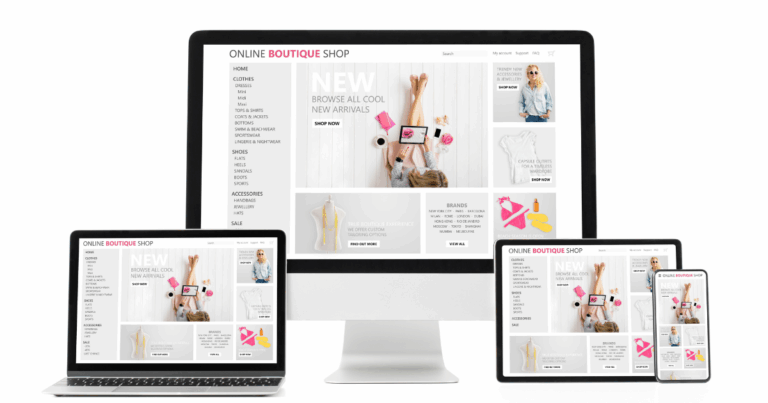
In 2025, over 80% of UK web traffic comes from mobile devices. Website Builders use responsive design technology to ensure your site looks great on all devices — from desktop computers to smartphones.
7. Scalability and Growth
Website Builders aren’t just for small projects. Many platforms allow you to expand your site over time, adding eCommerce functionality, additional pages, and integrations with marketing tools or payment systems.
8. Security and Maintenance
Website security is critical for any business operating online. Builders typically manage updates, SSL certificates, and data encryption automatically.
This means your site is protected against common vulnerabilities without you needing to monitor technical patches manually.
Key Features to Look for in the Best UK Website Builders
When selecting a Website Builder, you’ll want to ensure it includes essential tools that match your business needs. Here’s what to consider:
1. Drag-and-Drop Editor
The best builders let you visually arrange content blocks (text, images, videos, buttons) directly on the page — no coding required. This makes web design accessible and flexible.
2. Professional Templates
Look for modern, responsive templates designed for UK industries — retail, real estate, restaurants, service businesses, and creatives. Customisation options should allow you to adjust colours, fonts, and layouts.
3. Custom Domain and Email Integration
Your domain name is your digital address. A strong Website Builder will include domain setup and professional email options (e.g., info@yourbusiness.co.uk), improving your brand credibility.
4. Built-in Analytics
Tracking visitor data is crucial for business growth. Choose a builder with integrated analytics or compatibility with Google Analytics to monitor traffic, conversions, and engagement.
5. eCommerce Functionality
If you plan to sell online, ensure the Website Builder includes:
- Product catalogues
- Secure payment gateways (PayPal, Stripe, etc.)
- Stock management
- Shipping calculators
- VAT and currency settings for UK customers
6. SEO-Friendly Framework
Your builder should include tools that support on-page optimisation, clean code structure, fast loading speed, and the ability to edit key SEO fields.
7. Hosting Reliability
Look for UK or EU-based servers for better performance and compliance with GDPR data regulations. Consistent uptime (99.9%) and fast load speeds are essential for customer trust.
8. Support and Resources
Good customer support — via live chat, email, or phone — can be vital. Comprehensive documentation, tutorials, and community forums also help you troubleshoot easily.
Choosing the Right Website Builder in the UK
Selecting the ideal Website Builder depends on your business goals, budget, and technical comfort level. Here’s how to evaluate your options:
Step 1: Define Your Purpose
What kind of website are you creating?
- A personal blog?
- A small business site?
- A full eCommerce store?
- A portfolio or service page?
The clearer your objective, the easier it is to choose a suitable platform.
Step 2: Set Your Budget
Determine your budget for initial setup and ongoing costs.
Website Builders generally offer tiered plans, so you can start small and scale up as your business grows.
Step 3: Compare Key Features
Focus on must-have features — templates, SEO tools, hosting reliability, support, and eCommerce capabilities.
Step 4: Check for UK Relevance
Ensure the builder supports:
- UK currency (£GBP)
- Local payment gateways
- VAT options
- GDPR compliance
- UK domain extensions (.co.uk, .uk)
Step 5: Test Before You Commit
Most Website Builders offer free trials or demo versions. Take advantage of these to test usability, speed, and design flexibility.
Why UK SMEs Are Shifting Toward DIY Web Solutions
The UK’s small business sector has been a driving force behind the digital economy. According to the Federation of Small Businesses (FSB), over 5.5 million SMEs operate across the UK — and more than half rely on their websites as primary customer touchpoints.
Yet historically, professional web development costs and timelines have limited access to quality sites.
Website Builders have levelled the playing field. They provide a professional, affordable, and fast way for UK entrepreneurs to build, manage, and scale their online presence — without needing coding expertise or design teams.
From cafes and salons to estate agents and local contractors, Website Builders empower SMEs to compete online with larger brands.
Ready to grow online?
Build your website, register your domain, secure your hosting and manage your online presence with Trodomains.
Visit Trodomains