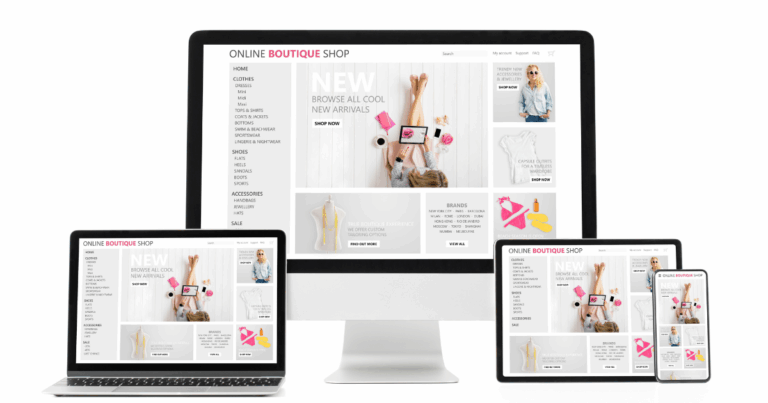
Choosing and registering a domain name may seem simple, but it’s one of the most crucial steps in establishing your online presence. Your domain isn’t just a web address—it’s the foundation of your brand identity, credibility, and online visibility. Making a quick or uninformed decision can lead to branding challenges, SEO problems, or even legal issues later on.
Before you hit that “register” button, take time to evaluate several key aspects. Below are 10 essential things to check before registering your domain name to ensure it supports your long-term goals.
1. Domain Name Relevance and Simplicity
The first rule of choosing a domain is clarity. A domain name should reflect your business, niche, or purpose clearly and simply. Visitors should be able to understand what your website is about just by reading the domain.
- Keep it short and memorable: Aim for 2–3 words at most.
- Avoid hyphens and numbers: They make your domain harder to type and remember.
- Use real words: Made-up or complex spellings can confuse potential visitors.
Example: instead of best-digital-marketing-services-2025.com, go for something like BrightDigital.com. Simple, catchy names are easier to brand and share.
2. Brand Consistency and Availability
Your domain should align perfectly with your brand name. Check if your brand name and domain match—consistency across all online channels strengthens recognition and trust.
Before finalizing your choice, search for the same or similar names on:
- Social media platforms (Facebook, Instagram, X, LinkedIn, TikTok)
- Business directories
- Trademark databases
If the name is already heavily used or trademarked, you might face brand confusion or legal challenges. Ideally, you should secure your brand name across all major online platforms to build a cohesive digital identity.
3. Trademark and Copyright Conflicts
One of the biggest mistakes new website owners make is failing to check trademark databases before registering a domain. If your domain infringes on someone else’s trademark, you could be forced to relinquish it—or face legal action.
To avoid this:
- Use the USPTO (United States Patent and Trademark Office) database if you’re in the U.S.
- Check your country’s intellectual property registry for existing trademarks.
- Conduct a Google search to see how similar names are being used.
Remember, just because a domain is available doesn’t mean it’s safe to use. Always verify legal clearance before registration.
4. Domain Extension (TLD) Options
Your Top-Level Domain (TLD)—the part after the dot, like .com, .net, or .org—plays a huge role in branding and trust.
- .com remains the most recognized and trusted TLD globally.
- .org suits non-profits or organizations.
- .net is common for tech companies.
- .co, .io, and .ai are popular modern alternatives, especially for startups.
While unique extensions can be trendy, they might not always inspire confidence among general audiences. If possible, register the .com version of your domain—even if you use another TLD for your main site—to protect your brand.
5. Domain History and Reputation
Did you know your desired domain may have been registered before? Domains with a past can carry both benefits and risks. A domain’s history can influence SEO rankings and credibility.
Use tools like:
- Whois Lookup – to view ownership history and registration details.
- Wayback Machine (archive.org) – to see how the domain was used previously.
- Blacklist Checkers – to ensure it hasn’t been used for spam or malware.
If a domain was associated with unethical content or blacklisted by search engines, it could harm your SEO efforts. Always verify that your chosen domain has a clean background.
6. SEO Friendliness
Your domain name plays a subtle but important role in search engine optimization (SEO). While it’s no longer critical to include exact-match keywords, a descriptive and relevant domain still helps search engines and users understand your content.
Tips for SEO-friendly domains:
- Include a primary keyword naturally (e.g., GreenGardenDesigns.com).
- Avoid keyword stuffing or awkward phrases.
- Make sure it’s easy to pronounce and spell—Google tracks user behavior, and confusion can affect engagement metrics.
Additionally, choose a domain that’s likely to age well. Rebranding a domain later can significantly disrupt your SEO progress.
7. Domain Registrar Reputation
All registrars are not created equal. Some charge hidden fees or make transferring your domain difficult. Before committing, research and compare domain registrars based on:
- Pricing transparency – Watch for high renewal fees or unnecessary add-ons.
- Security features – Look for domain locking, WHOIS privacy, and two-factor authentication.
- Customer support – Ensure responsive and reliable service.
Trusted registrars like Google Domains, Namecheap, GoDaddy, and Hover offer solid reputations, easy management tools, and fair pricing. Always read reviews before registering.
8. Privacy and WHOIS Protection
When you register a domain, your personal details—name, address, phone number, and email—are stored in the public WHOIS database. Without privacy protection, anyone can view your information, potentially exposing you to spam, scams, or identity theft.
Most reputable registrars offer WHOIS privacy protection (sometimes called “domain privacy” or “ID protection”). It replaces your contact details with the registrar’s proxy information.
Make sure you activate this protection at checkout—some registrars include it for free, while others charge an extra fee.
9. Long-Term Cost and Renewal Policies
Domain registration isn’t a one-time expense. You’ll need to renew your domain annually to keep ownership. Many registrars offer discounts for the first year but charge much higher rates upon renewal.
Before registering, check:
- Initial vs. renewal prices
- Auto-renewal settings (so you don’t lose your domain accidentally)
- Transfer fees if you decide to move to another registrar
If your domain is crucial to your brand, consider registering it for multiple years upfront. It can save you money and reduce the risk of forgetting renewals.
10. Domain Security and Ownership Control
Finally, your domain name is your digital asset—protect it like one. Losing control of your domain could devastate your online business.
Before registering, ensure the registrar provides:
- Domain lock – Prevents unauthorized transfers.
- Two-factor authentication (2FA) – Adds a security layer to your account.
- DNS management access – Lets you control records for hosting, email, and subdomains.
Also, use a secure, unique email address for domain management—preferably separate from your public contact address. Cybercriminals often target domain owners through phishing attacks.
Conclusion: Think Long-Term Before You Register
Your domain name is more than a URL—it’s your brand’s digital identity. Taking the time to research, verify, and plan ahead ensures you don’t run into legal, security, or branding issues later.
Here’s a quick recap of the 10 essential checks:
- Relevance and simplicity
- Brand consistency and availability
- Trademark and copyright clearance
- Choosing the right TLD
- Checking domain history
- SEO friendliness
- Registrar reputation
- WHOIS privacy protection
- Renewal and pricing transparency
- Domain security and ownership control
By checking these factors before registration, you’ll secure a domain that not only fits your brand today but also supports its growth for years to come.
Ready to grow online?
Build your website, register your domain, secure your hosting and manage your online presence with Trodomains.
Visit Trodomains